
How to Buy Wholesale Pokémon Cards for Your Store
How to buy wholesale Pokémon cards for your store
To buy Pokémon cards wholesale, you open a business account with an authorized distributor or a vetted wholesale marketplace, prove you are a real reseller with a state resale certificate, and order sealed product by the box or the case. You do not need a special "Pokémon license" to resell sealed packs — you need a registered business and the right paperwork to buy at wholesale prices. This guide walks through exactly how it works, then shows where Grovara fits in.
The Pokémon Trading Card Game is one of the most in-demand products a store can stock. Sealed booster packs and boxes sell fast, draw foot traffic, and reorder well. The hard part is not selling them — it is sourcing real, factory-sealed product at a price that leaves you room to profit. Here is how the supply chain actually works.
How Pokémon wholesale and allocation really work
The Pokémon Company International makes and owns the cards. It does not sell wholesale to your store directly. Instead, it sells to a small set of authorized distributors, and those distributors sell to retailers. If you want product for your shelves, you buy from a distributor or from a marketplace that sources through legitimate channels — not from the manufacturer's front door. The Pokémon Company's own support pages point stores toward distributors rather than selling to them directly (Pokémon Center — where can I find information about distributors).
Allocation is the part that surprises new sellers. Popular sets are printed in limited runs and split across distributors, who then ration them to stores. You rarely get all the hot product you ask for. Distributors weigh your order history, how long you have been an account, your store type, and whether you also buy the slower "evergreen" product that sits in stock year-round. The stores that get the best allocation on a chase set are the ones that ordered steadily before it launched. Pre-orders on announced sets usually open weeks ahead of the street date, so getting in early matters.
Distributor vs. authorized reseller vs. a wholesale marketplace
These three terms get mixed up, and they are not the same thing.
- Authorized distributor — a company that buys sealed product in bulk directly from The Pokémon Company and resells it to stores. In the US these are a handful of names; GTS Distribution is the one most often cited as the largest, alongside others such as Southern Hobby Supply. To open an account you have to be a vetted business, and minimums can be steep.
- Authorized reseller / retailer — a store that has been approved to buy from a distributor and sell to the public. That is most likely what you are becoming. It does not require a license from The Pokémon Company; it requires a distributor to accept you as a legitimate account.
- Wholesale marketplace — a platform that connects you to vetted suppliers of sealed product without you having to qualify with each distributor one at a time. This is where a marketplace like Grovara comes in, and it is often the fastest route for a store that does not yet meet a big distributor's minimums.
Booster pack, box, case, and shipper — what the units mean
Wholesale is priced and shipped by the unit, so you need the vocabulary before you order.
- Booster pack — the single foil pack a customer buys. A modern English pack usually holds around 10 cards, including a chance at a rare or holographic pull.
- Booster box — the standard case-break unit. A standard English booster box holds 36 packs.
- Booster case — the master carton distributors ship. A standard English case holds 6 booster boxes, which is 216 packs (6 × 36) — see this breakdown of how many boxes are in a case.
- Shipper / display — a retail-ready display box of loose packs or blister packs meant to sit on a counter. Counts vary by set and product line, so confirm the exact configuration before you buy.
Two cautions. First, Japanese product is packed differently — Japanese cases typically hold many more boxes than English cases, and pack counts differ, so never assume the English 36/216 math applies. Second, configurations change between sets and special products (elite trainer boxes, tins, and collections all differ). When a supplier lists a "case," ask how many boxes and packs are actually inside.
Do you need a license to sell Pokémon cards? (the misconception)
Here is the correction most new sellers need: you do not need a special license from The Pokémon Company or Nintendo to resell sealed Pokémon product. Reselling genuine, factory-sealed cards you bought legitimately is normal retail. What you do need is the same paperwork any store needs to buy wholesale and sell to the public:
- A registered business — a sole proprietorship, LLC, or corporation, depending on your setup.
- An EIN (federal tax ID) in the US, or your local equivalent.
- A state resale certificate (also called a seller's permit or reseller's permit). This lets you buy inventory without paying sales tax up front and collect tax from your customers instead. It is exactly the document distributors ask for to prove you are a real reseller (how to become a Pokémon distributor).
So the honest answer to "how do I get a license to sell Pokémon products?" is that there is no Pokémon license — there is a resale certificate, and getting one is how you unlock wholesale accounts. Rules vary by state and country, so check your local requirements before you order. (We found no official Pokémon "reseller license" program; if one is ever announced, treat any supplier claiming to sell you one today as a red flag.)
How your store qualifies to buy
Suppliers do not sell wholesale to just anyone — the resale certificate is what proves you are a legitimate reseller and not a collector trying to skip retail prices. Qualifying is usually a short checklist:
- Set up the business. Register your entity, get your EIN or local tax ID, and apply for your state resale certificate. This is the foundation every supplier asks for.
- Apply to the supplier. Complete the distributor's or marketplace's account application and submit your business details and resale certificate. Approval can take anywhere from a day to a couple of weeks.
- Show you are real. A storefront, an established online shop, or a clear buying history helps. Distributors favor accounts with a genuine customer base, and it can affect how much hot product you are allocated.
A vetted marketplace collapses this into one application instead of one per distributor, which is why many stores start there while they build the volume and history that larger distributors reward.
What are realistic minimum orders?
Minimum order quantities (MOQs) are where routes really differ. Big distributors often want you to buy by the case and can set high dollar minimums to open or keep an account — sometimes far more than a new store wants to commit. A wholesale marketplace usually lets you start smaller, which is how you test what sells before you tie up cash. Whatever the route, order enough to hit the supplier's minimum but not so much that you are sitting on product that is not moving.
How to vet a supplier and avoid fakes and grey-market product
Counterfeit and resealed Pokémon product is a real problem, and a bad batch can wipe out your margin and your reputation. Vet the supplier first, then inspect the product.
Supplier red flags: no verifiable business details, prices well below the going wholesale rate, pressure to buy "right now," refusal to share clear photos or invoices, and no paper trail showing where the product came from. Legitimate wholesale comes with real documentation.
Product red flags on sealed boxes and packs — authentication specialists like DJR Authentication and resealing guides such as The Card Collective flag these:
- Shrink wrap and seals — authentic wrap is tight and clean; loose, bubbled, generic, or re-glued wrap is a warning. Machine-sealed boxes never need extra tape.
- Weight — genuine boxes have a consistent factory weight; a box that is off from a known-good reference may have had packs swapped or removed.
- Print and labels — check for blurry printing, wrong colors, off fonts, typos, and barcode or stock-code errors.
- Price — if a "sealed case" is priced far below everyone else, ask why. Deals exist; miracles usually do not.
The simplest protection is to buy from vetted sources with a track record, so you are not authenticating every carton yourself.
The margin reality (no hype)
Be realistic about profit. At wholesale you buy sealed product below its suggested retail price, and your margin is the gap between what you pay and what you sell for — minus shipping, fees, and tax. That gap is not fixed. Hot, freshly released sets are scarce and allocated, so they can command more, while steady evergreen product carries a thinner but more reliable margin. Prices move with demand, print runs, and the calendar. Rather than chase a magic markup number, price against your live cost and local demand, and treat sealed Pokémon as a traffic-driver as much as a margin line. Current, real pricing lives on each product's page — check it before you commit.
Source wholesale Pokémon through Grovara
Once you know how the supply chain works, the question is simply where to buy safely. Grovara is a global wholesale marketplace that connects stores and distributors with vetted suppliers — including sealed Pokémon product — across 60+ countries, on one platform with 10K+ brands and buyers. You skip qualifying with distributors one at a time, and the compliance and logistics paperwork for cross-border orders is handled for you.
Here is how buying works:
- Register as a buyer. Create your account at platform.grovara.com/register. Once you are approved, you can browse and order.
- Find the product. Browse the Pokémon booster product and a beginner-friendly 40-card value pack that needs no approval and works well for checkout displays.
- See real pricing. Every product page lists its current wholesale price, so you can do the margin math before you buy.
- Order what fits. Start at a size that lets you test demand instead of over-committing.
- Ship worldwide. Grovara supports export documentation, labeling, and translation for buyers and sellers in 60+ countries, so a cross-border order is not a paperwork nightmare.
Watch GroDega unbox the packs
Want to see the product before you buy? GroDega, Grovara's show, unboxes Pokémon product and talks through the trends shaping global wholesale — useful whether you are a collector or a buyer sizing up an order. Subscribe for unboxings and sourcing insight.
Is wholesale Pokémon right for your store?
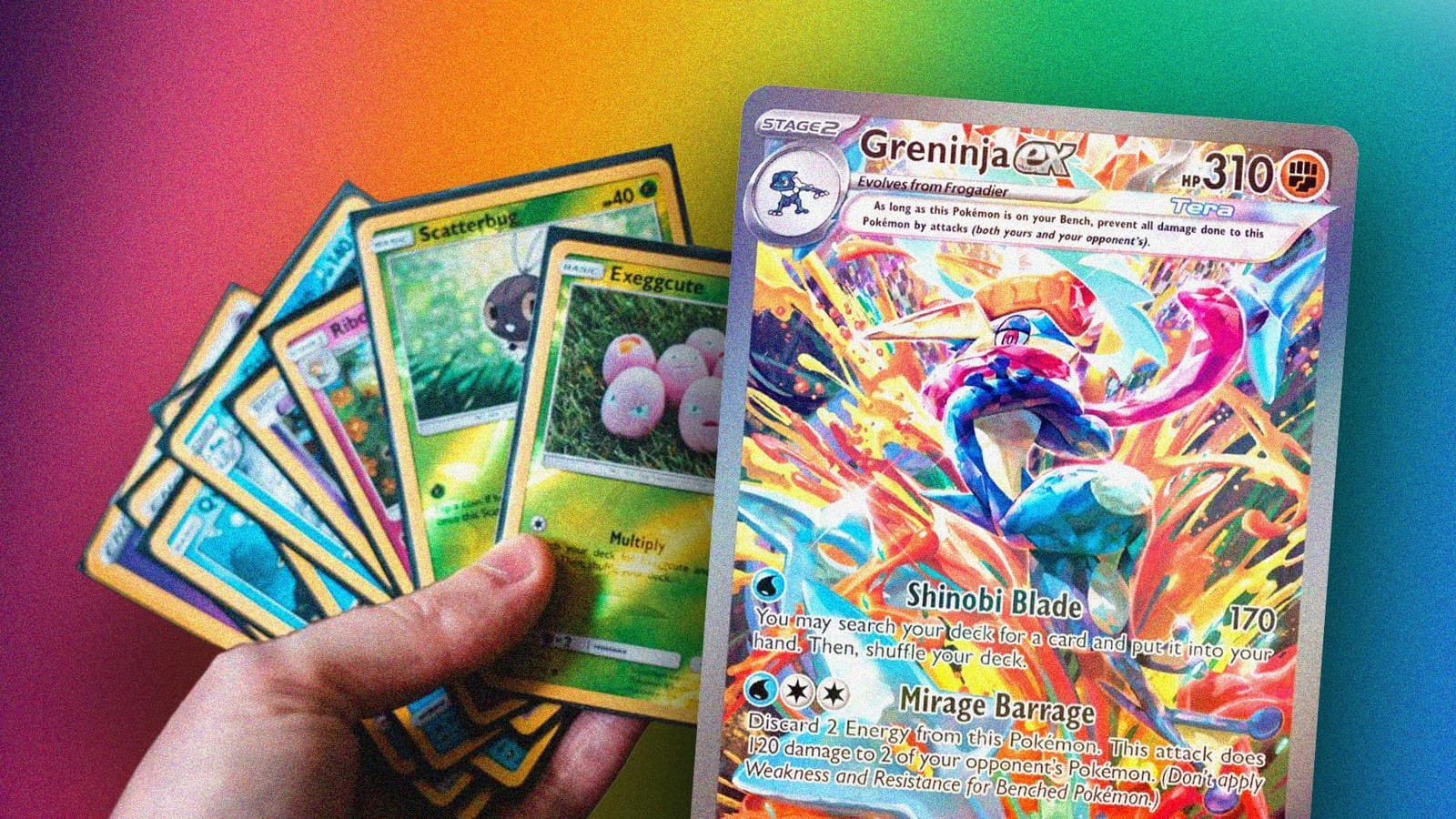
Sourcing Pokémon wholesale makes sense if you:
- Run a retail business — a shop, grocery, or online store — and want a trending product with steady demand.
- Are a distributor or reseller looking for fast-moving inventory to round out your lineup.
- Sell across borders and need compliance and logistics handled so international orders are simple.
If that is you, the next step is easy: register as a buyer, browse the product, and place a first order you are comfortable testing with.
Want more context first? Read U.S. Companies Looking for Distributors and How to Become a Distributor with Grovara.
Frequently asked questions
How do I buy wholesale Pokémon cards for my store?
Register your business, get a state resale certificate, then open an account with an authorized distributor or a vetted wholesale marketplace. Prove you are a real reseller, then order sealed product by the booster box or case. A marketplace like Grovara lets you start without qualifying with each distributor separately, so it is often the fastest route for a new store.
How do I become a Pokémon card distributor?
True distributors buy in bulk directly from The Pokémon Company and often face high minimums, so most sellers become authorized resellers instead — stores approved to buy from a distributor and sell to the public. To qualify, register a business, get a resale certificate, and open a wholesale account. You do not need a license from The Pokémon Company to resell.
Do I need a license to sell Pokémon cards?
No. There is no special Pokémon or Nintendo license required to resell genuine, factory-sealed cards. What you need is standard retail paperwork: a registered business, a tax ID, and a state resale certificate (seller's permit) so you can buy wholesale without paying sales tax up front. Rules vary by state and country, so confirm your local requirements.
How do I buy Pokémon cards straight from a distributor?
Apply for a wholesale account with an authorized distributor and submit your business details and resale certificate. Expect minimum orders, and expect allocation limits on hot sets — distributors ration scarce product to established accounts. If a distributor's minimums are too high, a wholesale marketplace sources through legitimate channels and usually lets you start with a smaller order.
What is a Pokémon booster case?
A booster case is the master carton a distributor ships. A standard English Pokémon case holds 6 booster boxes, and each box holds 36 packs — so a full case is 216 packs. Japanese cases are packed differently and hold more boxes, so always confirm the box and pack count before you buy a case.
How do I become a Pokémon vendor or authorized reseller?
Set up a legitimate business, get an EIN and a state resale certificate, then apply to sell as a retailer through a distributor or marketplace. Being a vendor is about being an approved, vetted account — not holding a Pokémon license. Buying steadily, including evergreen product, builds the track record that earns better allocation on popular sets.
Sources
- Pokémon Center Support — Where can I find information about distributors (opens in new tab)
- Search Underground — How to Become a Pokémon Distributor (opens in new tab)
- PokeCardFinder — How Many Booster Boxes in a Case (opens in new tab)
- DJR Authentication — How to Spot Fake Pokémon Booster Boxes & Sealed Product (opens in new tab)
- The Card Collective — How to Tell If a Pokémon Booster Box Is Resealed (opens in new tab)