
How to Buy Wholesale Pet Supplies for Your Store
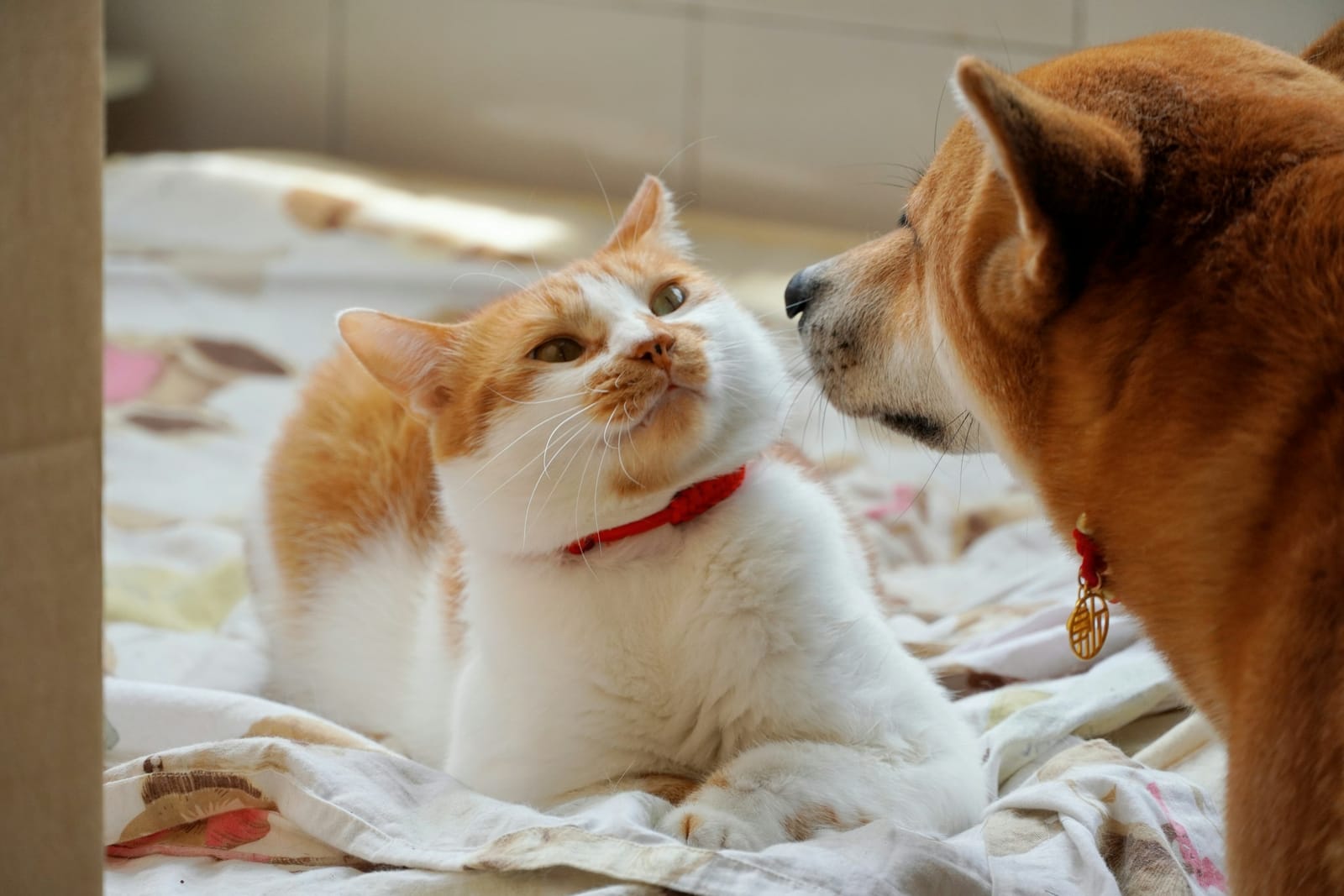
U.S. pet industry spending reached $158 billion in 2025, up 3.7% on the year before. The American Pet Products Association (APPA) projects $165 billion for 2026 (APPA, March 26, 2026).
To sell into that market, a store needs two answers. Who will sell to it wholesale, and which products need extra paperwork to cross a border?
Where stores buy wholesale pet supplies
To buy pet supplies wholesale, open a reseller account with a distributor or a vetted wholesale marketplace, then order by the case. Toys and waste bags ship like general merchandise. Pet food and treats with animal-origin ingredients need animal-health paperwork when they cross a border. Grovara is a wholesale marketplace where you can source both kinds of product from vetted brands.
How pet supply distribution works
Most pet products move down one chain. A brand or manufacturer sells to distributors and wholesalers. They sell to pet stores, grocers, groomers, vet clinics and online shops. Some brands also sell direct to retailers once an account is big enough.
A wholesale marketplace sits beside that chain. It lists products from many brands in one catalog, so a store can order from several suppliers through one account. You skip opening a separate account with every distributor. That matters most for a new store, or for a buyer abroad who cannot visit U.S. trade shows to meet each brand.
The category splits into two groups with different rules:
- Hard goods and supplies: toys, chews made of rubber or nylon, leashes, bowls, waste bags, bird toys and perches. These are manufactured goods.
- Consumables: dog and cat food, treats, animal-origin chews such as bully sticks, and supplements. These are regulated as animal food in the U.S., and many countries control their import.
Most stores stock both. Plan the paperwork for each group separately.
Pet food and treats follow different rules than toys
A rubber fetch toy and a bag of dog food clear customs on different terms.
U.S. labeling rules for pet food
In the U.S., the Food and Drug Administration (FDA) regulates pet food labels under 21 CFR part 501. The federal requirements include the product's identity, a net quantity statement, and the maker's or distributor's name and place. All ingredients must be listed in descending order by weight (FDA: animal food labeling and pet food claims). The FDA adds that animal food products "are also subject to individual state laws."
The Association of American Feed Control Officials (AAFCO) writes model rules that many states use. AAFCO states that it "does not regulate, approve, certify or endorse animal feed or pet food in any way." The states hold the legal authority to review pet food labels (AAFCO: labeling). A supplier who says a food is "AAFCO approved" is misreading how the system works.
Exporting animal-origin pet food: the APHIS step
When pet food leaves the U.S., the importing country often asks for an animal-health certificate. The USDA Animal and Plant Health Inspection Service (APHIS) issues export certificates "as required by the importing country" (APHIS: animal product exports). APHIS publishes its reading of each country's rules in the International Animal Product Export Regulations (IRegs). It warns that "import requirements may change at any time" (APHIS IRegs).
The certificate is tied to the factory. Many destinations accept pet food only from plants that APHIS has inspected and listed. A brand cannot add that approval on the day you order. Ask the brand which countries its plant is approved to ship to before you plan a food order.
How destination rules vary
Each market sets its own terms. These examples come from the regulators' own documents. Confirm the current rules with your country's authority before you order, because they change.
- European Union: animal by-products, pet food included, must come from facilities listed in the EU's TRACES system. APHIS tells exporters to have importers confirm entry requirements with the EU border control post before shipment (APHIS: TRACES guidance).
- Great Britain: processed pet food "must be produced in an establishment approved to export to Great Britain." It needs a health certificate based on the GB model. If the plant is missing from the list at the border, the shipment can be rejected or destroyed (GOV.UK: import information note ABP/3B).
- Canada: pet food that contains animal products, chews included, falls under Canada's Health of Animals Regulations. Specific requirements are listed in the Canadian Food Inspection Agency's Automated Import Reference System (CFIA: pet food imports).
- Mexico: Mexico's animal-health agency, SENASICA, keeps a separate import requirement sheet for balanced dog and cat food. It asks for the lot number and the production and expiry dates of each lot (APHIS: balanced pet foods for Mexico).
- China: pet food with animal-origin ingredients, treats and chews included, must come from a facility listed by both APHIS and China's customs authority. The exporter must also register each product with China's agriculture ministry (APHIS: pet food for China).
- Saudi Arabia: the Saudi Food and Drug Authority requires the feed importer and the producing establishment to be licensed in its national feed registration system. Shipments of pet food also need a certificate of origin, and a health certificate when they contain animal-origin ingredients (SFDA: clearance conditions for imported feed).
Hard goods usually skip the animal-health step. They still pay import duty, and your country may have its own product-safety or labeling rules for them. A customs broker can confirm the rules for your market. For general export documents, see our guides to the certificate of origin and the certificate of free sale.
Case packs and pallets: what the numbers mean
Wholesale pet products are priced and shipped in fixed units. Read these four numbers on every listing before you order:
- Unit: the item a shopper buys, such as one toy or one bag of food.
- Master case: the shipping carton from the factory. Its count is the "units per master case."
- Ti × Hi: the pallet pattern. "Ti" is cases per layer and "Hi" is layers per pallet.
- Units per pallet: units per case multiplied by cases per pallet.
Here is a real example. The Tribiotic Hip & Joint Formula for Dogs from PetCultures lists 24 units per master case and a 12 × 6 pallet. That is 72 cases per pallet, or 1,728 units. The listing gives a 730-day shelf life and dry storage at 50° to 85° Fahrenheit. Those last two numbers tell you how long you have to sell it and how to store it.
The same product can come in more than one pack. Jacent lists its 80-count pet waste bags two ways. The clip strip has 36 units per master case, and the master case version has 60 units. A clip strip hangs at the register. The larger case suits a shop that sells from a shelf.
What are realistic minimum orders?
Minimum order quantities (MOQs) vary by supplier. Distributors often set a dollar minimum per order. Brands that sell direct may ask for full cases. On a marketplace, minimums vary by listing, so check each one before you plan.
For a buyer abroad, freight sets a second, practical minimum. A single carton sent overseas costs a lot per unit. A mixed pallet of several products spreads that cost. Grovara's pallet builder shows how products stack by layer before you place the order.
How your store qualifies to buy
Wholesale suppliers sell to businesses that buy for resale. Expect to show a registered business and a tax ID. A storefront address or an active online shop helps prove you are a retailer.
Importers need one more layer. Your own country may require an import registration before you can bring in pet food. Saudi Arabia, for example, requires feed importers to hold an SFDA license. Check this with your national authority first. A food order that arrives before your registration does can sit at the border.
How to vet a pet supplier and avoid expired or diverted stock
Pet food has a date, and toys can be copied. Vet the supplier before you vet the product.
These signs suggest a problem:
- The seller cannot say whether it buys direct from the brand or from a distributor, and cannot show an invoice.
- Food or treats arrive without a lot code or a best-by date, or with less shelf life left than the listing promised.
- The label lacks the manufacturer's or distributor's name and place, which U.S. rules require on pet food.
- The seller cannot say which export markets the food plant is approved for.
- The price sits far below every other source for the same item.
One sign alone may have an innocent cause. Two or more is a reason to walk away. Before you list a food product, search the FDA recalls and withdrawals list for the brand.
Diverted stock is authentic product sold outside the channel the brand set up. A common case is retail stock bought in bulk and resold to stores. The goods may be genuine, but you lose the paper trail, and food may have sat in a warehouse for months. Buy from the brand, or from a source that can document where it bought.
The margin math on landed cost
Your margin is your shelf price minus your full cost to land the product. For an import, that cost includes freight, duty, taxes and fees as well as the wholesale price. A low unit price can still lose money once duty and shipping are added.
Price each order on its landed cost. Grovara's Landed Cost Estimator is free on every product page, with no account needed. Pick a destination and a quantity, and it itemizes import duty and taxes line by line. Consumables such as food and waste bags run out and bring shoppers back. A durable toy sells less often, so order it in smaller quantities until you see how it moves.
Source wholesale pet supplies through Grovara
Grovara is a global wholesale marketplace with 10K+ brands and buyers across 60+ countries. Every brand is vetted. The pet catalog has four category pages: pets, pet supplies, dog food and cat food.
Brands in the pet catalog include:
- Caitec: a Halethorpe, Maryland, maker of toys and treats for dogs, cats, birds and small animals. It was founded in 1992. Its lines include HERO dog toys such as the Outer Armor fetch ring, which floats and squeaks. Chase 'N Chomp is another, with toys such as the LED squeaker balls. For cats there is NALA, such as the catnip shark hat. For birds, Caitec lists more than 170 Featherland Paradise bird products, such as the hay ball, plus Baked Birdie Munchies treats.
- PetCultures: veterinarian-formulated Tribiotic dog supplements, with case and pallet specs on its listings.
- Jacent: impulse items for the register, including pet waste bags and Mad Cat wool balls with catnip and silvervine.
- Kirkland Signature: dog and cat food such as Healthy Weight Dog Food, 40 lb and Pate Cat Food, 45-count variety pack. Grovara resells these listings as an independent company. It is not affiliated with or endorsed by Costco.
Here is how buying works:
- Join as a buyer. Membership is $495 a year for brands and buyers alike. New buyers get their first 180 days free.
- Find the product. Search in plain language with Scout AI, for example "floating dog toys for large dogs." Listings show product ratings pulled from the web.
- Ask the brand. Chat with the brand owner inside the platform. For food and treats, ask which export markets the plant is approved for.
- Check the landed cost. Run the Landed Cost Estimator for your country and quantity.
- Build the pallet and order. Mix products on one pallet with the pallet builder. Grovara auto-generates the compliance documents for the order.
Animal-health certificates for food are a separate step. APHIS endorses them, and they depend on the brand's plant approvals. Settle that with the brand in chat before you order food or treats for export.
GroDega on why Grovara is going big on pet products
GroDega is Grovara's show about brands and global wholesale. In GroDega Ep. 49, the team opens with Salute Sippers vinegar shots and later covers why Grovara is going big on pet products. Watch it before you plan your first pet order.
Is wholesale pet sourcing right for your store?
Pet supplies fit a pet store, a grocer with a pet aisle, a groomer or vet clinic with a retail shelf, or an online shop. They also fit a distributor abroad that wants American pet products without a buying trip. Start with hard goods if you want to avoid animal-health paperwork on your first order. Add food once you know which brands can ship it to your country.
Browse the pet catalog and place a first order small enough to test demand. For more on sourcing from the U.S., read American Wholesale Suppliers.
Photo via Unsplash.
Frequently asked questions
How do I buy wholesale pet supplies for my store?
Register your business, then open an account with a distributor or a vetted wholesale marketplace. Show that you buy for resale, then order by the case. A marketplace such as Grovara lets you order from many pet brands through one account. Check each listing's minimum order and case pack before you plan.
Do I need a license to sell pet supplies?
For toys and accessories, suppliers usually ask for the normal paperwork of a retail business: a registration and a tax ID. Pet food is different. Many countries require an import registration or license for it. Saudi Arabia, for example, requires feed importers to be licensed by the SFDA. Confirm the rules with your local authority.
What paperwork do I need to import U.S. pet food?
Most countries ask for an animal-health certificate when pet food contains animal-origin ingredients. USDA APHIS endorses these certificates, and many destinations accept food only from approved plants. The EU and Great Britain, for example, accept only listed facilities. Ask the brand which markets its plant can ship to, then confirm with your country's authority.
Is pet food "AAFCO approved"?
No. AAFCO states that it does not regulate, approve, certify or endorse pet food. It writes model rules that many U.S. states use, and the states enforce them.
What does Ti × Hi mean on a pet product listing?
Ti × Hi is the pallet pattern. Ti is the number of cases per layer, and Hi is the number of layers. A 12 × 6 pallet holds 72 cases. Multiply by units per case to get units per pallet. A product with 24 units per case on a 12 × 6 pallet ships 1,728 units.
What is the minimum order for wholesale pet products?
It depends on the supplier. Distributors often set a dollar minimum, and brands may require full cases. On a marketplace, minimums vary by listing. For overseas orders, freight also matters. A mixed pallet usually costs less per unit to ship than a few loose cartons.
How do I avoid expired or diverted pet food?
Buy from the brand or from a source that can show where it bought. Check that each case has a lot code and a best-by date with enough shelf life left. U.S. pet food labels must name the manufacturer or distributor. Search the FDA recalls list for the brand before you stock it.
Can I see the landed cost before I buy pet supplies on Grovara?
Yes. The Landed Cost Estimator is free on every Grovara product page, and you do not need an account. Pick your country and a quantity. It itemizes the product cost, shipping, import duty, taxes and fees.
Sources
- APPA: U.S. pet industry reaches $158 billion in 2025 (March 26, 2026) (opens in new tab)
- FDA: Animal food labeling and pet food claims (opens in new tab)
- AAFCO: Labeling (opens in new tab)
- USDA APHIS: Animal product exports (opens in new tab)
- USDA APHIS: International Animal Product Export Regulations (IRegs) (opens in new tab)
- USDA APHIS: Trade Control and Expert System (TRACES) guidance for EU exports (opens in new tab)
- GOV.UK: Processed pet food other than canned pet food, import information note ABP/3B (opens in new tab)
- Canadian Food Inspection Agency: Pet food imports (opens in new tab)
- USDA APHIS: Balanced pet foods for dogs and cats for export to Mexico (opens in new tab)
- USDA APHIS: Export to China, pet food containing animal-origin ingredients (opens in new tab)
- Saudi Food and Drug Authority: Clearance conditions of imported feed products (opens in new tab)
- FDA: Animal and veterinary recalls and withdrawals (opens in new tab)